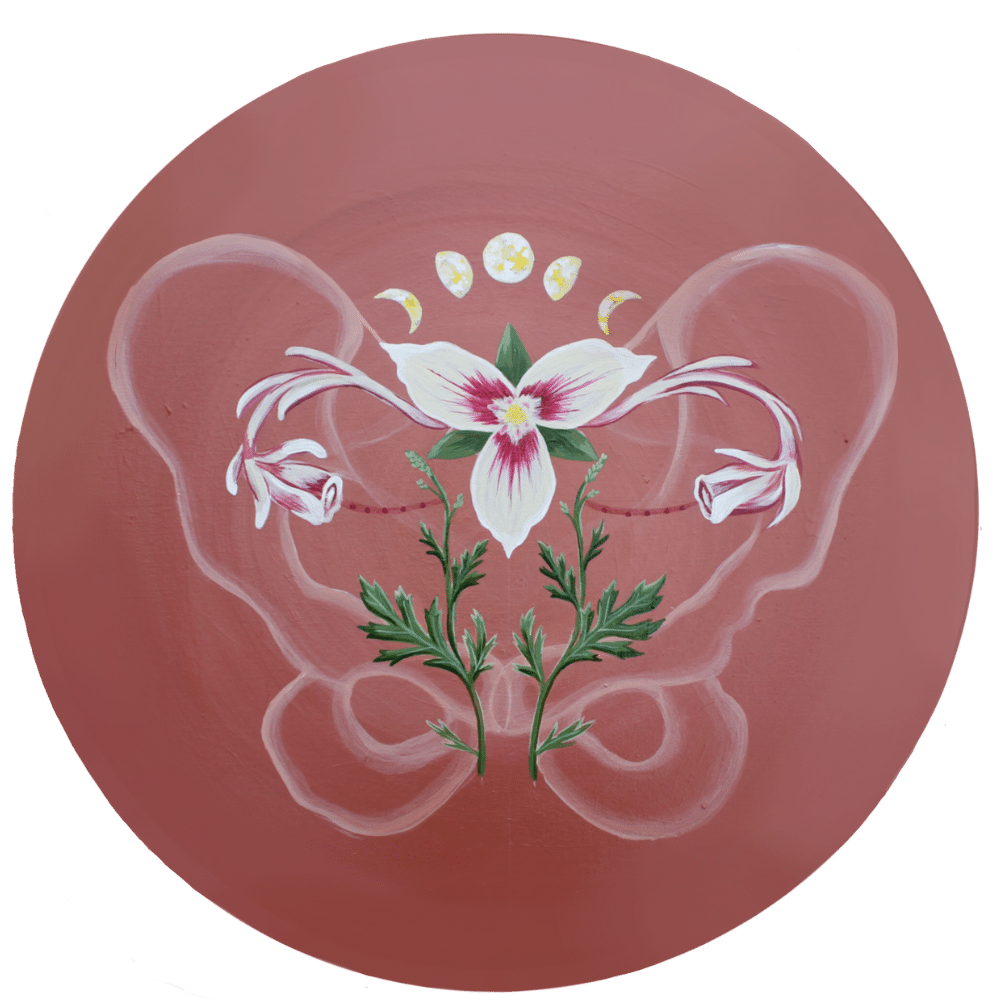
Healing Painful Menstruation
Are you one of the many women who struggle with painful periods? You are not alone: by many estimates, more than half of women who menstruate have period pain, known medically as dysmenorrhea.
Many women ask me whether painful periods can get better without birth control. For many, the answer is yes, and there are several paths to natural period pain relief. Strong pain that disrupts your life is always worth checking with your doctor first, to rule out conditions like endometriosis or fibroids.
Symptoms of painful, imbalanced periods
- Big emotional mood swings
- Unmanageable cramps leading up to or during your period
- Nausea and vomiting
- Dizziness
- Migraines and headaches
Common medical treatments for period pain
NSAIDs. Nonsteroidal anti-inflammatory drugs such as ibuprofen (Motrin, Advil) and naproxen (Aleve) are the most common treatment for period pain. They work well in the short term. Taken frequently over many years, they can irritate the stomach, cause gastric bleeding, and strain the kidneys and liver, and long-term high-dose use is linked to a higher risk of heart problems.
The birth control pill. Many women take the pill to manage period pain, and for many it works. It can come with side effects such as mood changes, nausea, and headaches, and it carries a small increased risk of blood clots, breast, uterine and ovarian cancer. It also manages the symptoms without addressing what is underneath them, which is why some women look for other options.
What causes painful periods?
Inflammation plays a large part in pain, and inflammation can have multiple layers. Inflammation can result from stress, poor diet and elimination and imbalanced hormones.
Chemicals called prostaglandins make the uterus contract during your period, and when the body produces too many of them, the result is stronger cramping and more pain. This often happens as a result of a uterus that is out of alignment. Though the prostaglandins support the contraction of the muscles of the uterus to expel the blood each month, we also have gravity working in tandem, so when the uterus is out of alignment, there is more cramping to try to aid the uterus in releasing the blood.
What can increase prostaglandins and period pain?
Stress. Ongoing stress affects our cortisol levels and can increase inflammation. Stress also tends to push us toward our less supportive habits around food, self-care, and exercise.
Endocrine-disrupting chemicals. These are found in plastics, pesticides, herbicides, and personal care products. Many of them mimic our own hormones and can bind to the receptor sites meant for the hormones our bodies make. There are many things we cannot control in our environment, so it can be helpful to make healthy choices where we do have control. We can choose to use menstrual products and hygiene products without endocrine disrupting chemicals, as well as placing food leftovers in stainless steel or pyrex containers instead of plastic can help reduce your exposure.
Uterine position. In my experience, when the uterus is not well aligned in the pelvic bowl, it can contribute to a range of pelvic complaints: painful periods, frequent urination, recurrent UTIs, back pain, pain with sex, and more. Read more about the tilted uterus.
Pathways to natural period pain relief
Food
- Choose dairy and meat raised without added hormones and in healthy environments when you can.
- Eat plenty of greens and vegetables, organic when possible, and include fermented veggies to support healthy digestion.
- Store leftovers in glass or stainless steel. If you do use plastic, keep it out of the microwave.
- Use a glass or stainless steel water bottle so you aren’t drinking from plastic every day.
Herbal allies and supplements
- Motherwort: the nourishing love of the mother in herbal form, traditionally used to calm tension and ease cramps
- Tulsi: traditionally used to support resilience to stress
- Ginger: helps reduce inflammation, and in herbal traditions is used to move stuck blood
- Cinnamon: supports balanced blood sugar and may help ease period pain
- Cramp bark: traditionally used to ease menstrual cramps
- Magnesium glycinate: supports sleep when taken at night, nourishes the nervous system, and may reduce hormonal migraines
- B vitamin complex: nourishes the nerves, especially if you are vegetarian or vegan
Check with your health care provider before starting herbs or supplements, especially if you are pregnant, trying to conceive, or taking medication.
Hands-on and body practices
- Maya Abdominal Massage:
Hands on bodywork that supports healthy alignment of the womb in the pelvic bowl as well as tension in the lower back, sacrum and tailbone, that can contribute to menstrual pain. - Holistic Pelvic Care™: This consists of internal pelvic massage that supports healing and flow of blood, nerve and energy in the muscle and fascia of the pelvic bowl.
- Healthy posture: When standing, don’t lock your knees, and keep your feet hip-distance apart when walking.
- Orgasm! Yup. Personally, I love clitoral orgasms if I get cramps, but whatever is your pleasure. My teacher Rosita Arvigo always advised against inserting anything during menstruation. Let it be a time of outflow!
- Yoni Steam: A traditional practice of sitting over a warm herbal steam, used in many cultures to bring warmth and relaxation to the pelvis. Many women find it soothing in the days before their period, when cramps tend to build. Keep the steam gentle and comfortably warm, never hot, and skip it while you are bleeding, if you are or might be pregnant, or if you have an infection.
Want support with your cycle?
If you are tired of painful periods and want to explore your options, I’d love to talk with you. I work with women in person in Haydenville, MA, and virtually. Book a 30-minute Clarity Call, and we’ll look at what’s going on in your body and whether this work is a good fit.
